


Trip Report by Martin Robb, Texas
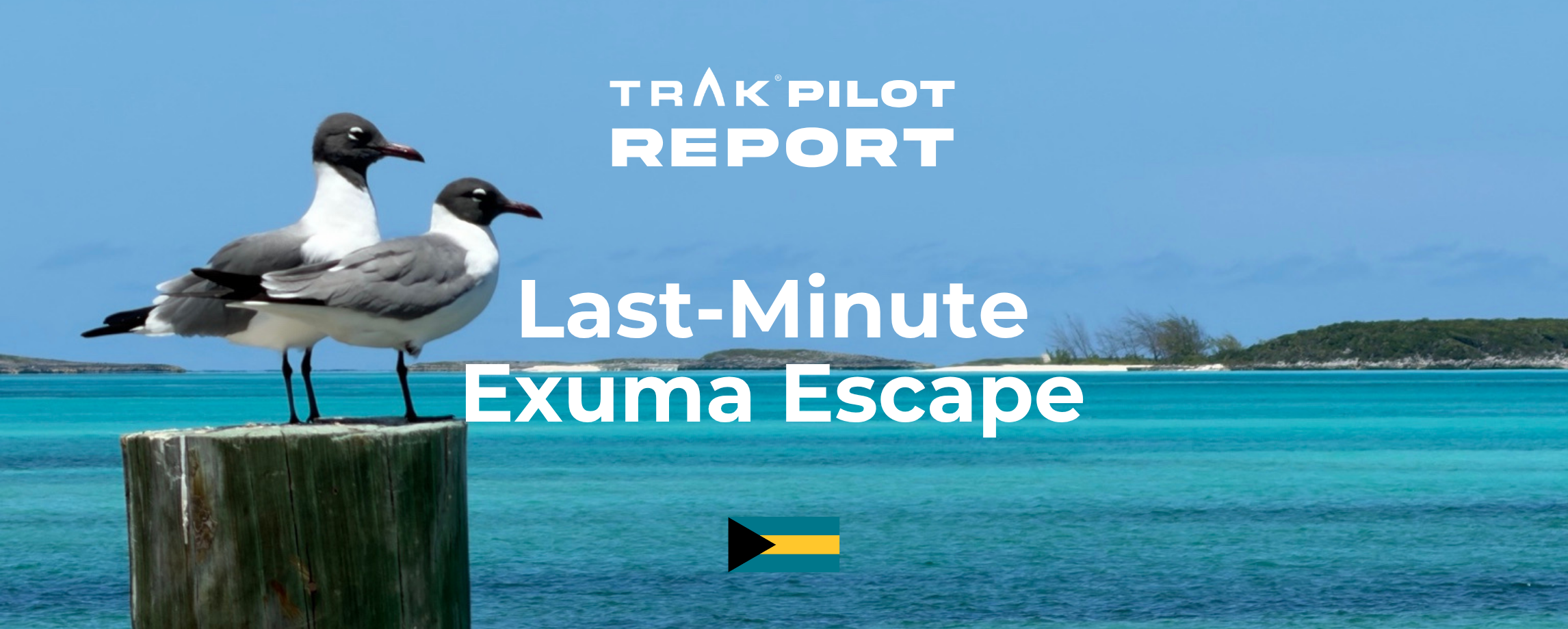
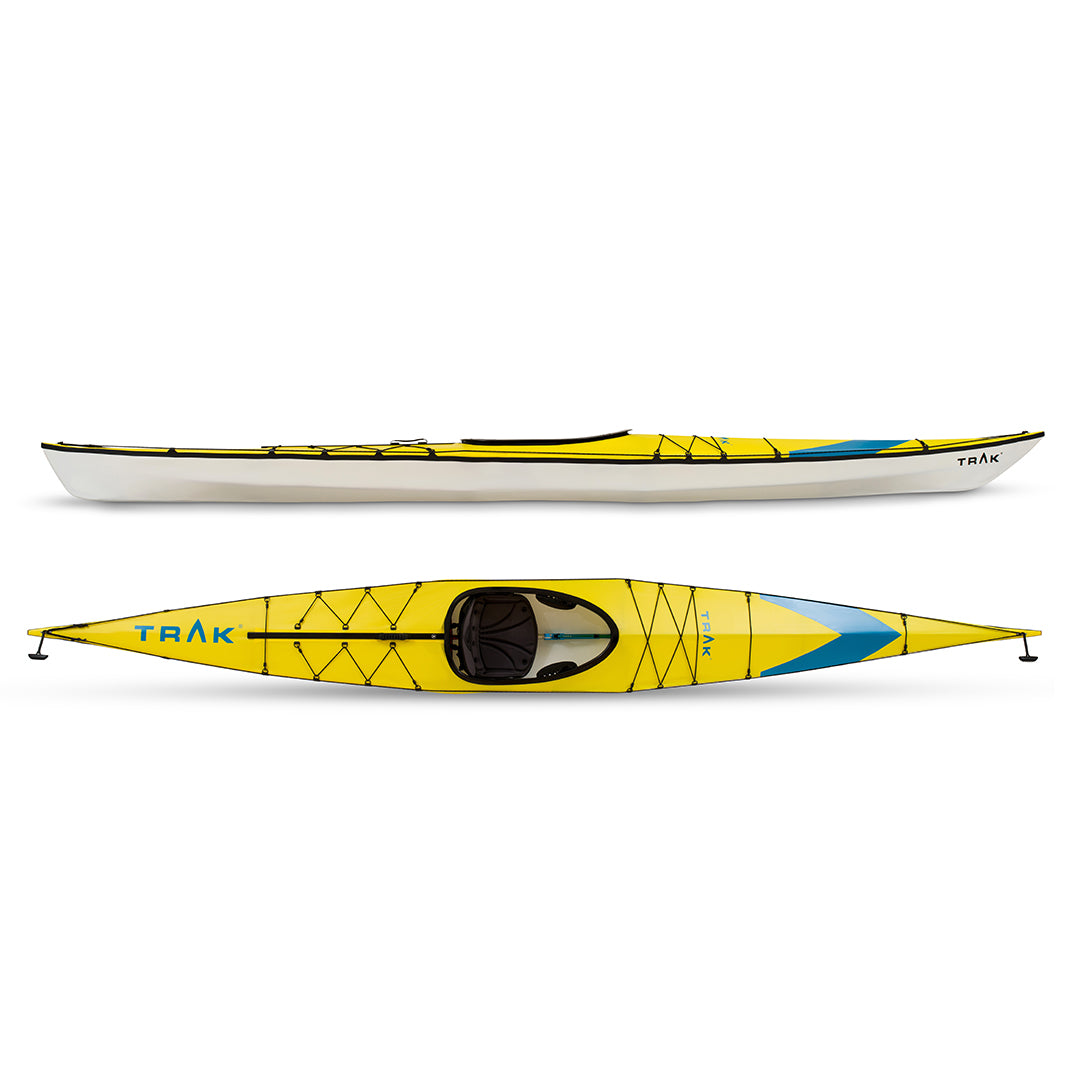
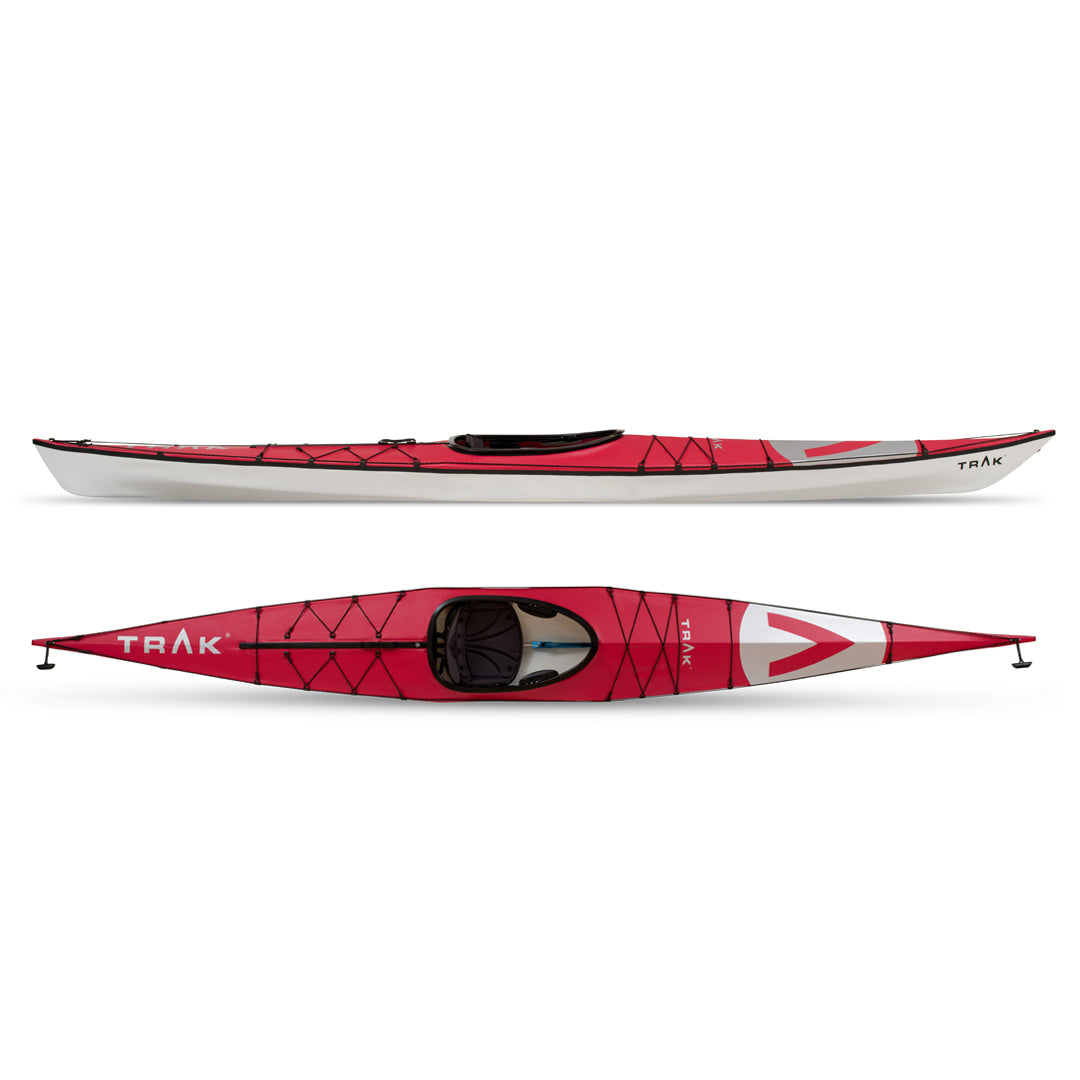
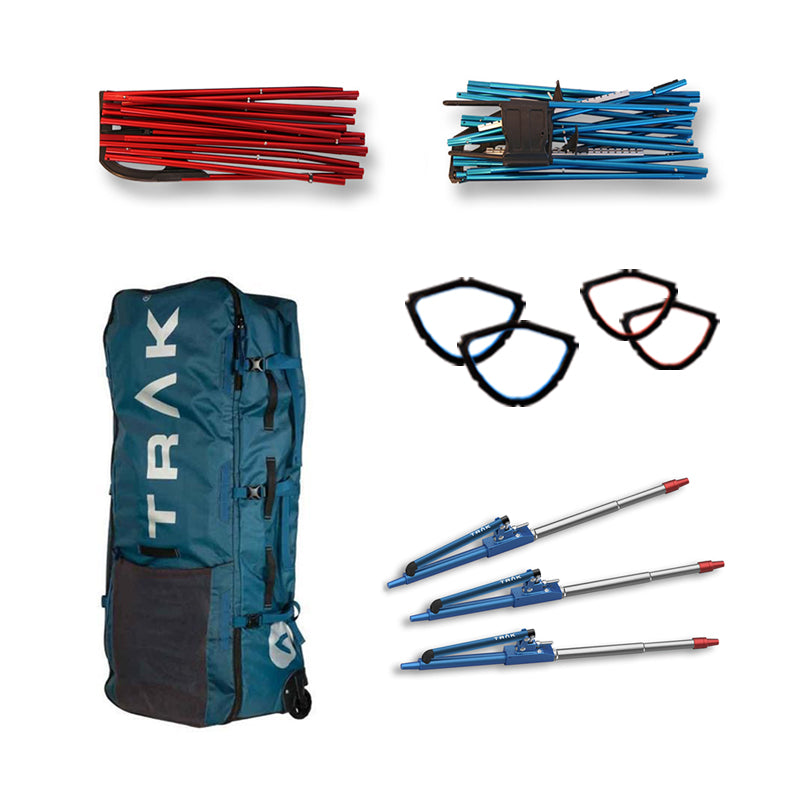
Some kayaks spend months waiting in a garage for the perfect trip. A TRAK can simply get on a plane. So with roughly a week's notice, a TRAK 2.0, a pair of paddles, and a willingness to improvise, I turned an ordinary week into a spontaneous escape to Great Exuma, Bahamas. It was a reminder of what folding expedition kayaks do best: remove logistical barriers, make last-minute travel possible, and transform small windows of free time into real adventure.
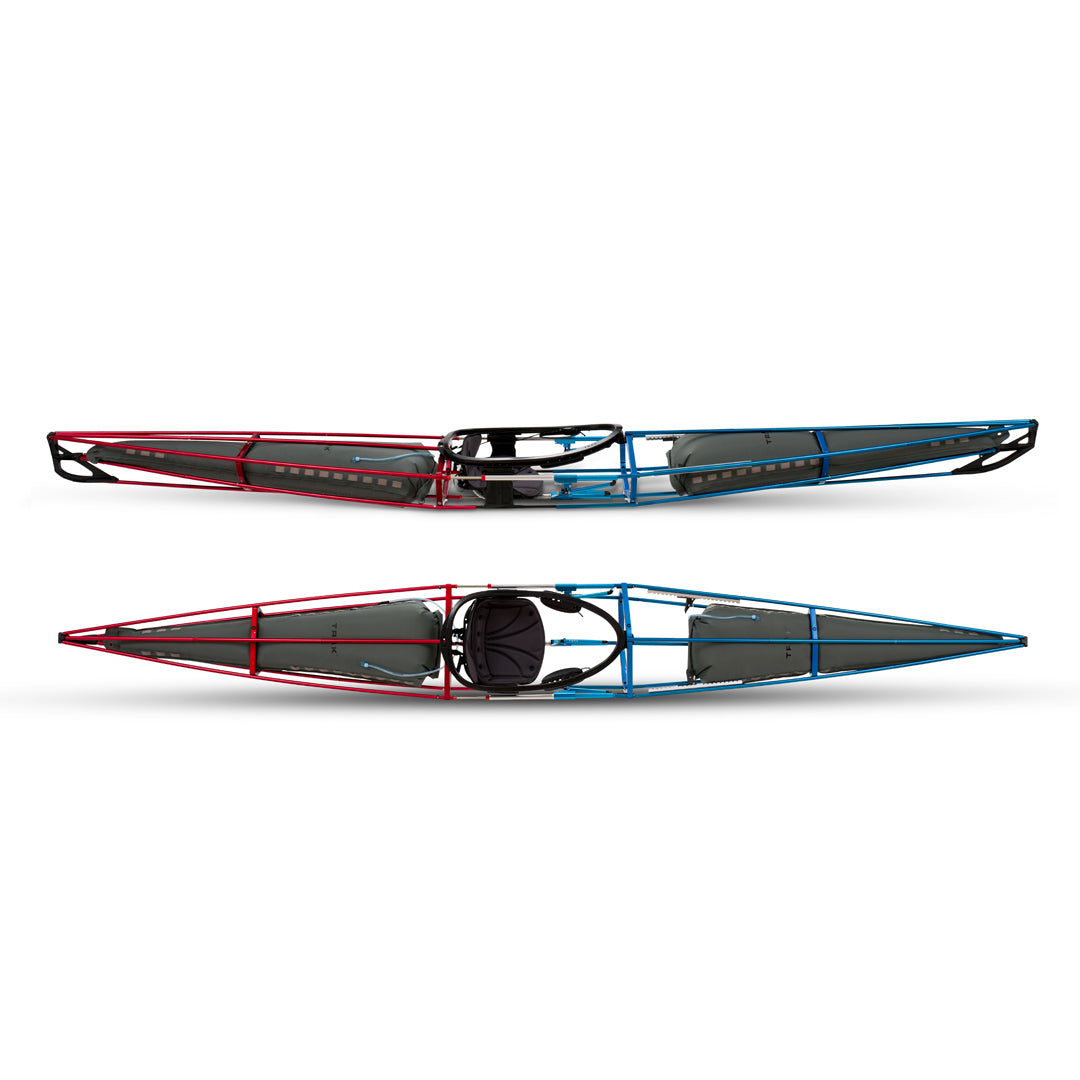
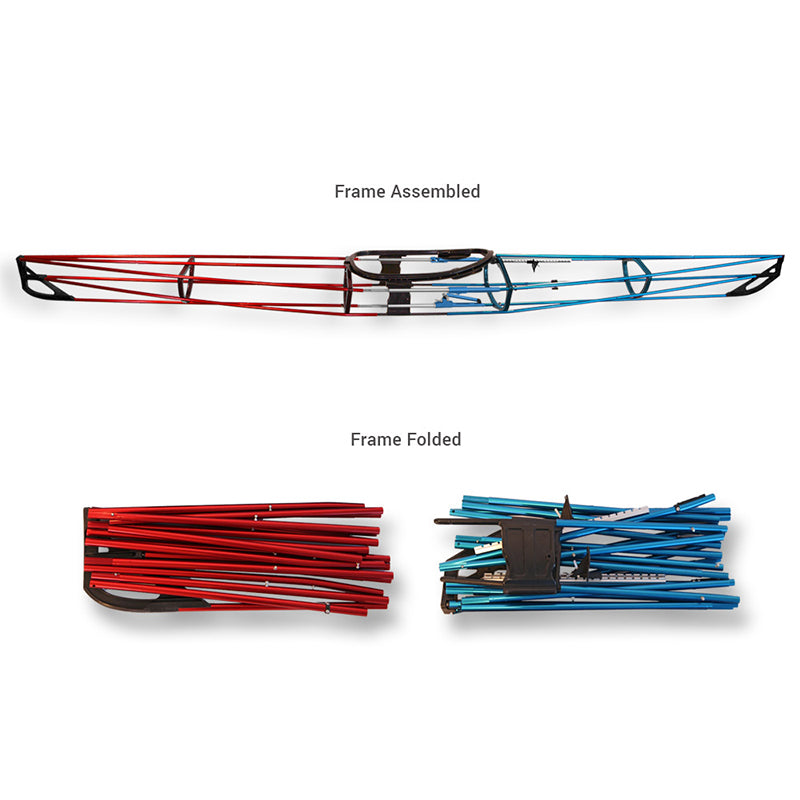
The kayak packed easily for airline travel alongside my Gearlab Greenland paddle, backup Euro blade, and essential paddling gear. With careful packing, I avoided overweight baggage fees and was paddling in Bahamian turquoise water the same day I left the United States. That's the beauty of a portable expedition kayak—faraway destinations suddenly become surprisingly accessible.

Exuma proved to be an ideal destination for both paddling and remote work. English is widely spoken, U.S. dollars are accepted almost everywhere, rental cars are easy to find, and internet access was generally reliable. Mornings could be spent working, afternoons exploring by kayak, and evenings discovering the island.

What made the trip especially valuable, however, wasn't the scenery—it was the opportunity to develop skills. Before traveling, I had watched the TRAK Foundations rescue and self-rescue videos, and the warm, clear waters of Exuma provided the perfect environment to put those lessons into practice. Without the challenges of cold water, dry suits, or exposure concerns, I could focus entirely on technique.
 My goal was simple: become confident enough in my self-rescue skills to paddle solo. That meant practicing wet exits, paddle-float recoveries, heel-hook re-entries, and balance control after getting back into the kayak. Like most paddlers discover, the techniques looked much easier in the videos than they felt in reality. Several attempts ended with me tipping over at the last moment. After reviewing what was happening and making a few adjustments—keeping my head low, staying forward, and moving more deliberately—the re-entries began to click. The next successful recovery felt like a genuine milestone and gave me the confidence to venture farther on my own.

The Gearlab Greenland paddle also impressed me during rescue practice. Paired with a paddle float, it created a stable, low-profile outrigger that worked particularly well during re-entry drills. Small details like that often become apparent only through repetition and real-world use.

Of course, Exuma offered far more than skills practice. Daily paddles brought encounters with sea turtles, rays, tropical fish, seabirds, and barracuda. The constantly changing colors of the water—pale jade over sand, electric turquoise in the shallows, and deep sapphire in the channels—made every outing feel extraordinary. For kayakers, Exuma often feels less like paddling through water and more like paddling through light itself.
And then there were the pigs.
 Yes, Pig Beach is real, and yes, it is worth visiting. The pigs are friendly, entertaining, and completely convinced that anything in your hand belongs to them. One enthusiastic pig even left a small tooth mark on my hand, a memorable reminder that not all expedition hazards have fins.
Looking back, what stands out most is how effortlessly the trip came together. The TRAK made airline travel simple, provided a platform for meaningful skills progression, and opened the door to wildlife-rich waters that would have been difficult to access otherwise. Exuma turned out to be more than a beach vacation. It was part paddling trip, part skills camp, part remote-work escape, and a welcome reminder that confidence on the water is built the old-fashioned way: watch, try, fail, learn, and try again.
About the author:
 Martin Robb is on a mission to explore as much of southeast Texas's incredible variety of padding as possible. Based in Houston, he spends his time navigating everything from winding bayous and inland lakes to the sheltered waters of the Gulf, while building local knowledge and connecting with paddling communities throughout Texas.


Aktie: