

Best Folding Kayak? Compare Your Options
Are you still looking for the best folding kayak for your paddling goals?
This guide compares the most popular types of portable and folding kayaks so you can choose the right fit for you.
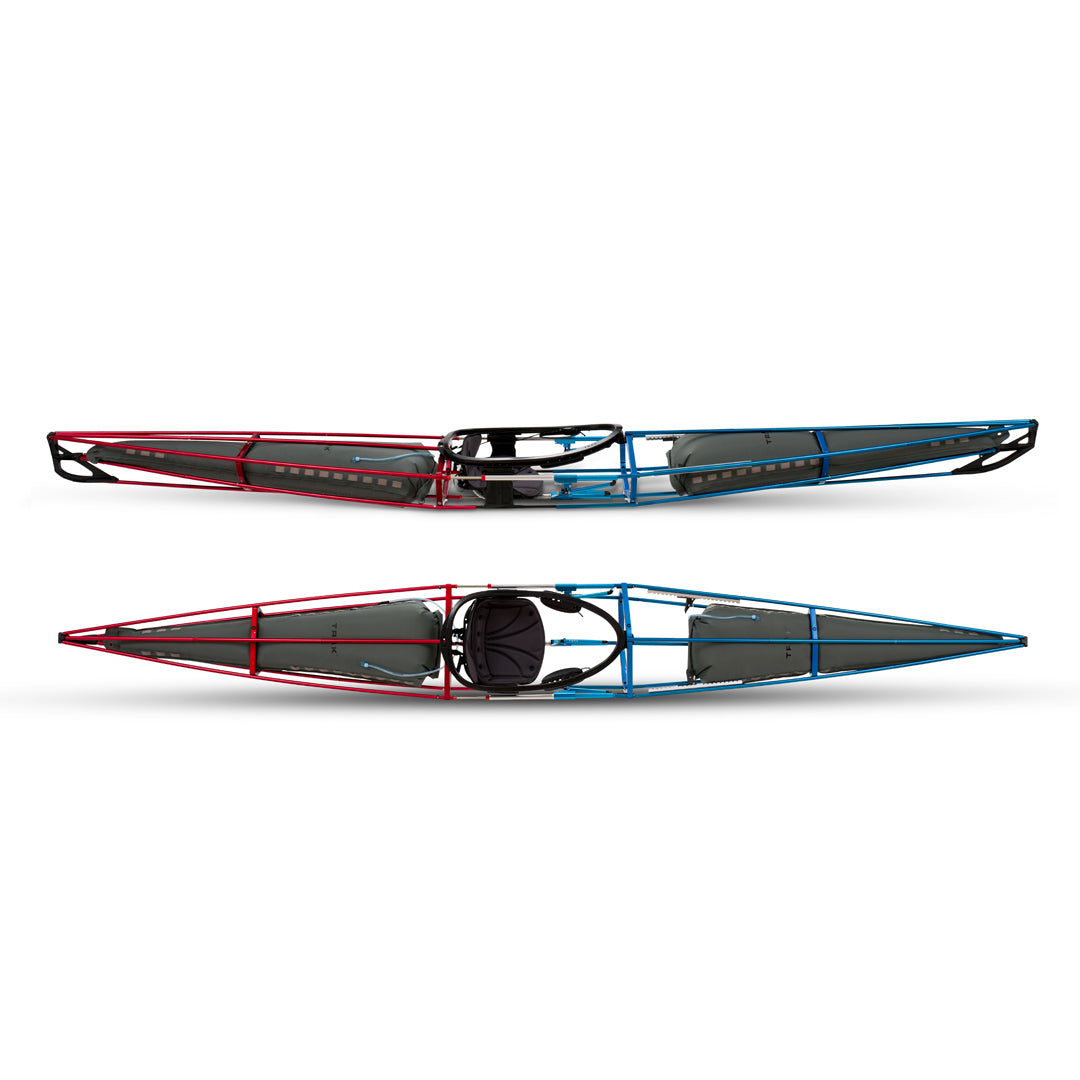
Below, you’ll see the pros, cons, performance differences, and ideal use cases of folding, inflatable, origami, and modular kayaks. While budget options can make entry-level paddling more accessible, they also come with risks and limitations. For paddlers looking beyond casual recreation, the TRAK 2.0 offers a stronger long-term option. It combines portability, travel-friendly design, touring capability, and real sea kayak performance, making it a good fit for paddlers who want a foldable kayak they can continue growing into.
Not every foldable kayak is built for the same paddler. Some are made for simple calm-water recreation, while others are built for travel, touring, rougher conditions, and long-term skill growth. The best foldable kayak depends on how you balance portability, performance, durability, setup time, storage, and value.
Best Folding Kayak by Use Case
Best for casual calm-water paddling: Inflatable or origami-style kayak
Best for apartment storage: Inflatable, origami-style, or folding kayak
Best for travel and touring: Folding kayak
Best for sea kayak performance: TRAK 2.0
Best for long-term skill growth: TRAK 2.0
Compare Folding Kayak Options
| Features |

TRAK
$4,250+
|

Inflatables
$1000-$2000+
|

Origami style
$900–$2,000+
|

Modular
$2000-$5000+
|
|---|---|---|---|---|
| Warranty Period | 7 years | <1 year | 0-2 years | 1-2 years |
| Adjustable Rocker | ✓ | ✕ | ✕ | ✕ |
| Pros | Exceptional performance akin to rigid sea kayaks. Packs into a travel bag. Adjustable rocker for varied conditions. Ideal for those who want to improve their skills over time. | Portable and lightweight compared to rigid kayaks. Easy to set up by inflation. Suitable for calm lakes, rivers, and mild coastal paddling. | Range of shapes and sizes. Folds into a suitcase-size box. Very lightweight compared to traditional kayaks. Quick assembly (often 5–15 min). Ideal for casual paddlers. | Breaks into sections for easy transport and storage. Some models have sections that nest. May pack small enough to fly as checked luggage. |
| Cons | • High cost relative to simpler, lower performing options. • Not as light as some other packables (~49 lbs). • Assembly required. | • Prone to punctures • Can feel “soft” in tracking & speed. • Lower performance vs a hard shell or TRAK kayak. | • Lacks internal structure → some paddlers report multiple points of failure. • May flex more than hard shells. • Not as stiff as a TRAK kayak. • Assembly required. | • Even well-made modular kayaks can exhibit minor flex • Difficult or impossible to roll • Only high-end modulars are suited to rough conditions. |
| Durability | 🟢🟢 Excellent due to seamless military-grade polyurethane skin, aircraft-grade aluminum frame, and carbon fiber ribs. | 🟡 Can puncture; modern PVC improves this but still a concern. | 🟡>🟢 Good: corrugated polypropylene resists abrasion & UV better than PVC, but is prone to cracking over time. | 🟢>🟡 Similar to hard shells. More rugged than inflatables. Joints can be weak points over decades. |
| Performance | 🟢🟢 Best among portable options; can rival traditional rigid kayaks. Excellent tracking, control & performance | ⚪>🟡 Low-to-moderate efficiency. Recreational use only; an inflated hull results in flex and increases drag | 🟡>🟢 Good on lakes/slow rivers; better maneuverability than inflatables — rigid hull tracks straighter and is more efficient. | 🟢 Better than most inflatables. Hull seams and connection points can reduce hydrodynamic efficiency. |
| Capability / Use-Case | Sea kayak touring, ocean & river paddling, longer trips, international travel. | Recreational flat water only. Sluggish in wind/current | Day paddles, exploring calm water, travel. Not for rough water. | Lake & coastal paddling, where performance and efficiency are less important. |
| Customer Support | Personalized service with real people who answer the phone 📞 Offers skills training programs around the world 🗺️ | ✕ | ✓ | ✓ |
Reminds me of my old Feathercraft Khatsalano, just.... better! Faster, stiffer, easier to assemble. A truly gorgeous kayak.
— Vlad GershtFormer Feathercraft Owner
We switched from two Pakayaks to two TRAK kayaks. We bought the Pakayaks to take with us in our RV, as there was not enough space for our conventional kayaks. The Pakayaks were a nice boat, but they had some limitations. We bought the TRAK Kayaks to be able to paddle in more adverse conditions and so get out more often. In addition, the TRAK had more storage space, so we could carry more gear.
— Bill and Anita Stewart, Nanaimo Paddlers ClubFormer Pakayak Owners
"I’ve been kayaking for four years with an Oru Bay ST and reached a point in my skill level where I was ready to upgrade to something else."
— Lauren McCarthyFormer Oru Kayak Owner
Folding Kayak Advice? Speak with a Paddle Pro
We love tough questions. Give us a call or schedule some time with our Chief Paddling Officer to find the right boat for you.
Learn more about kayaking with TRAK:
Check out our video series below to learn new skills, review old ones, and get inspired!
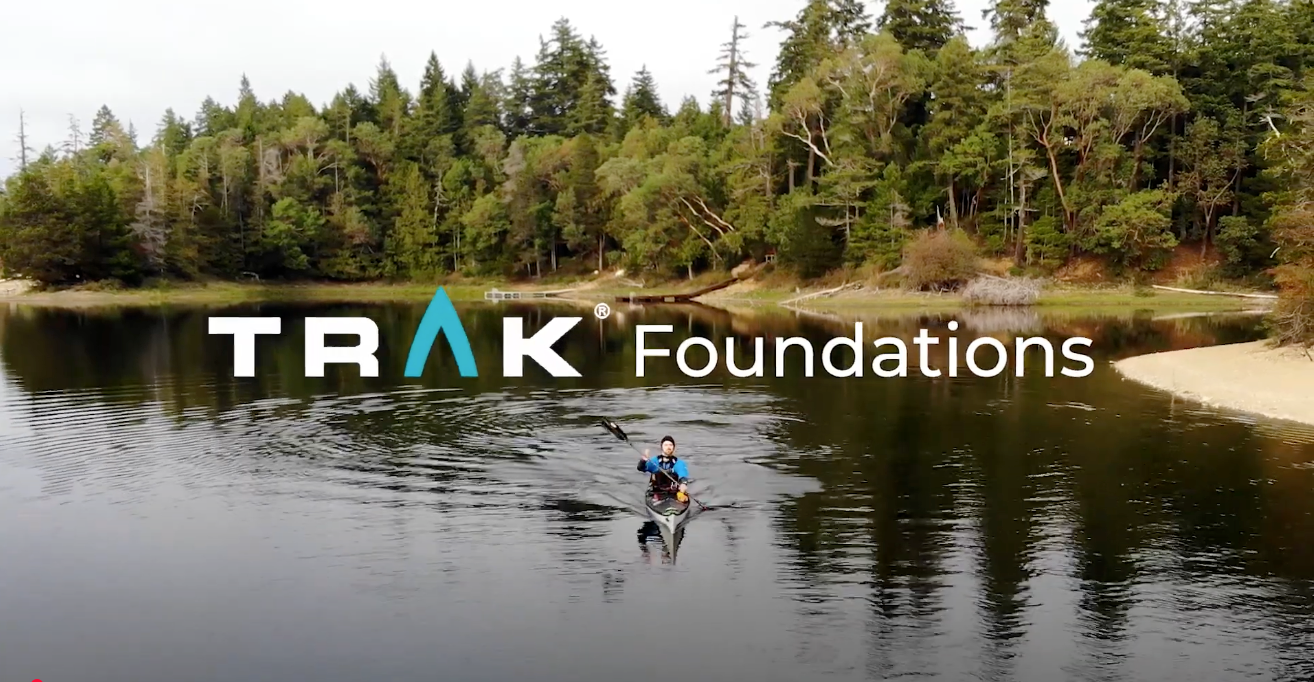
Kayak Skill Development Series
This TRAK video series is produced with the help of professional kayak instructors to help TRAK owners develop their paddling skills and get the most out of their TRAK 2.0.
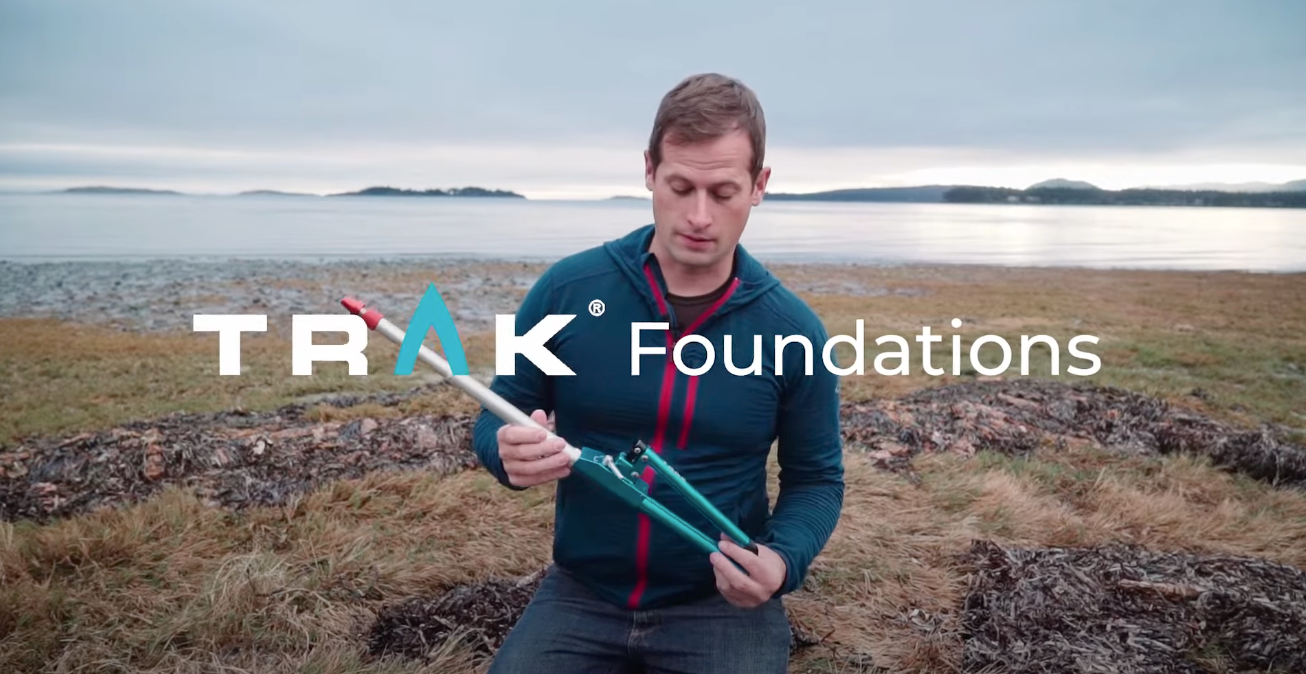
Assembly & Maintenance Series
Essential for new TRAK Owners! This collection of informative videos demonstrates proper setup, maintenance and adjustment of the TRAK 2.0 Kayak for the best paddling experience.

The TRAK Files
From 2010 to 2014, the TRAK Files video project and series was produced to put the TRAK kayak through its paces, and test its limits. Much of this work has led to the introduction of the TRAK 2.0 in 2017-18.
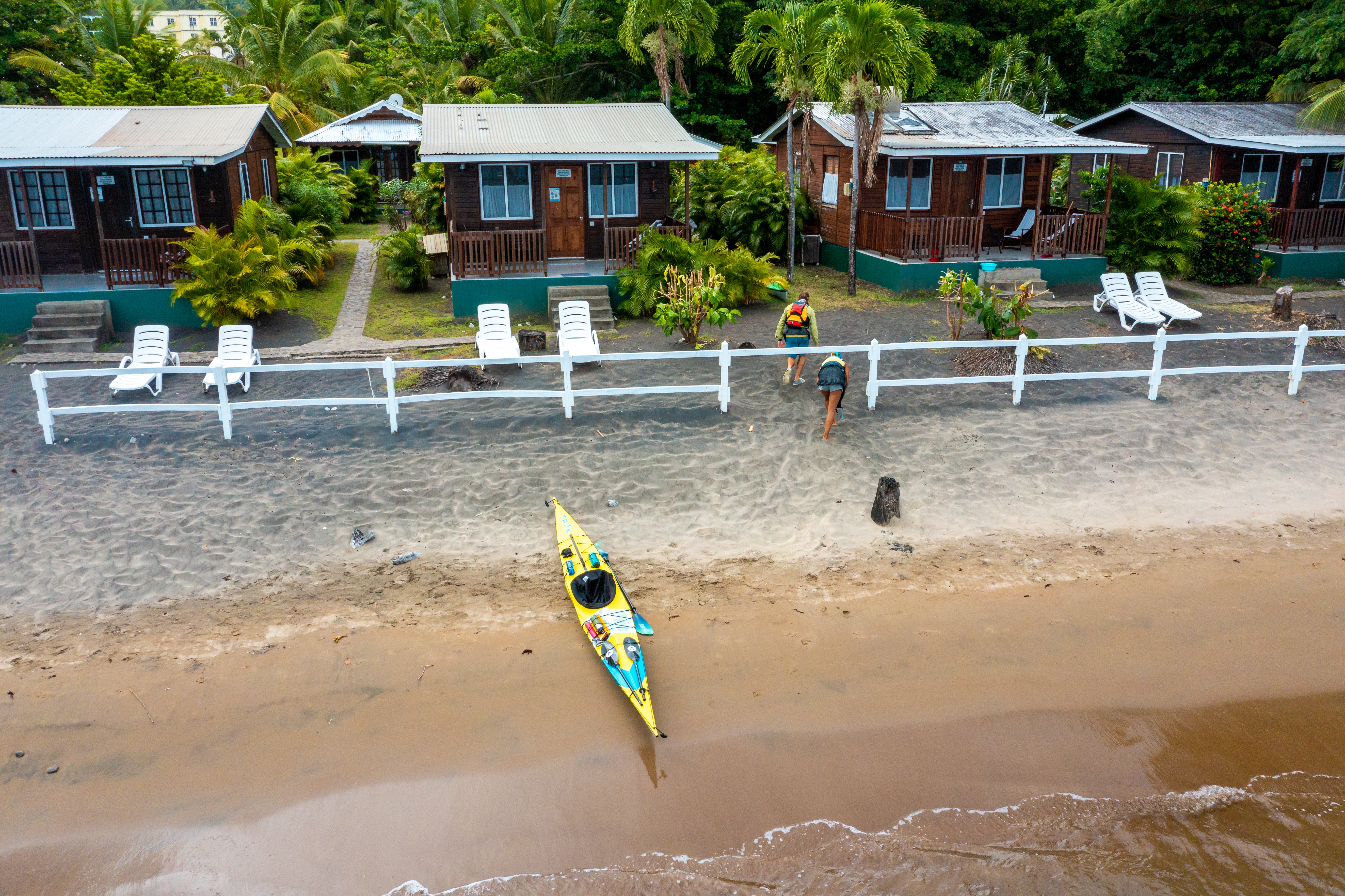
TRAK Trips & Tours
View real-life footage and testimonials from TRAK trips and tours held in world-class paddling destinations around the globe.
What's your favourite colour?
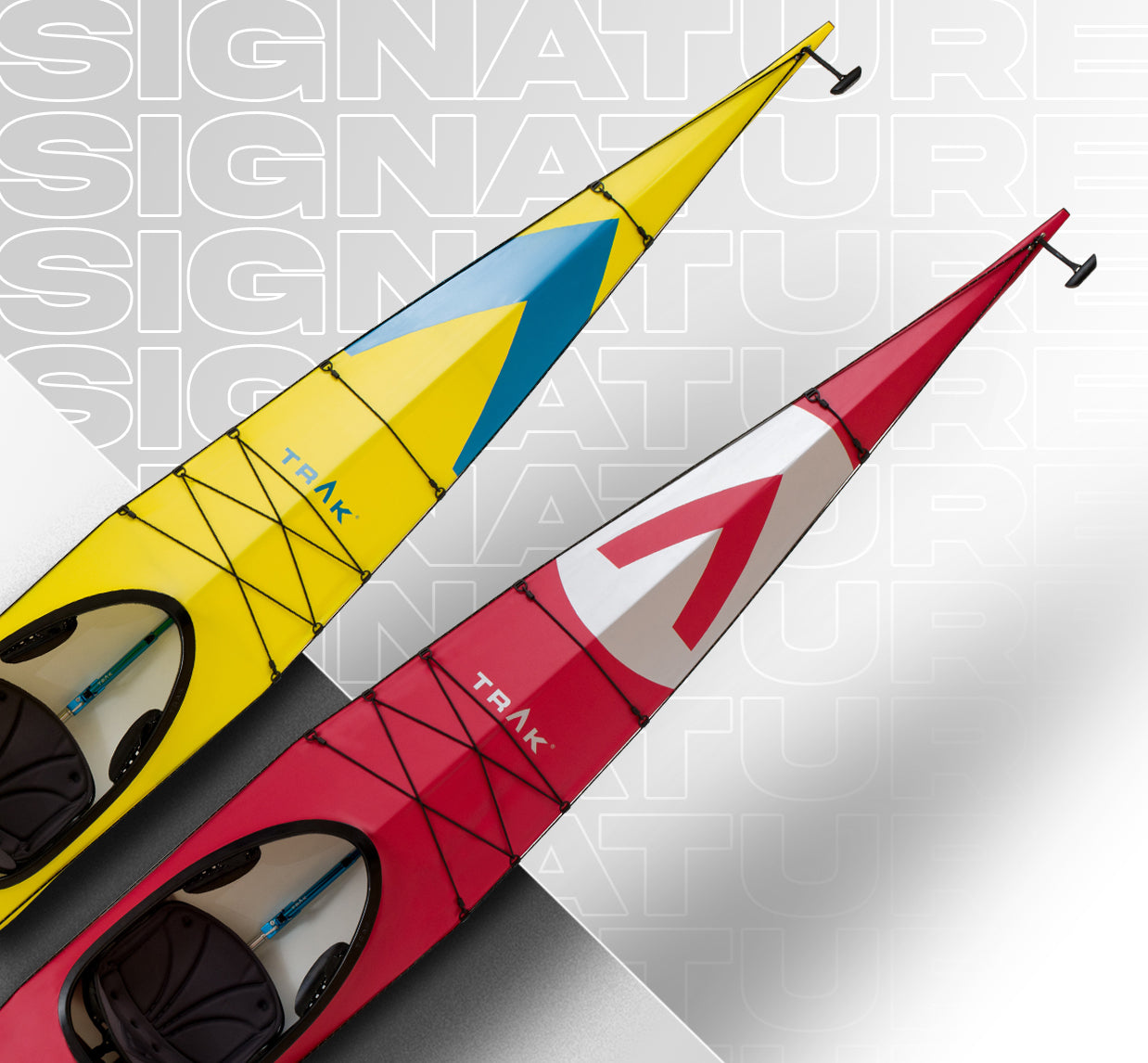
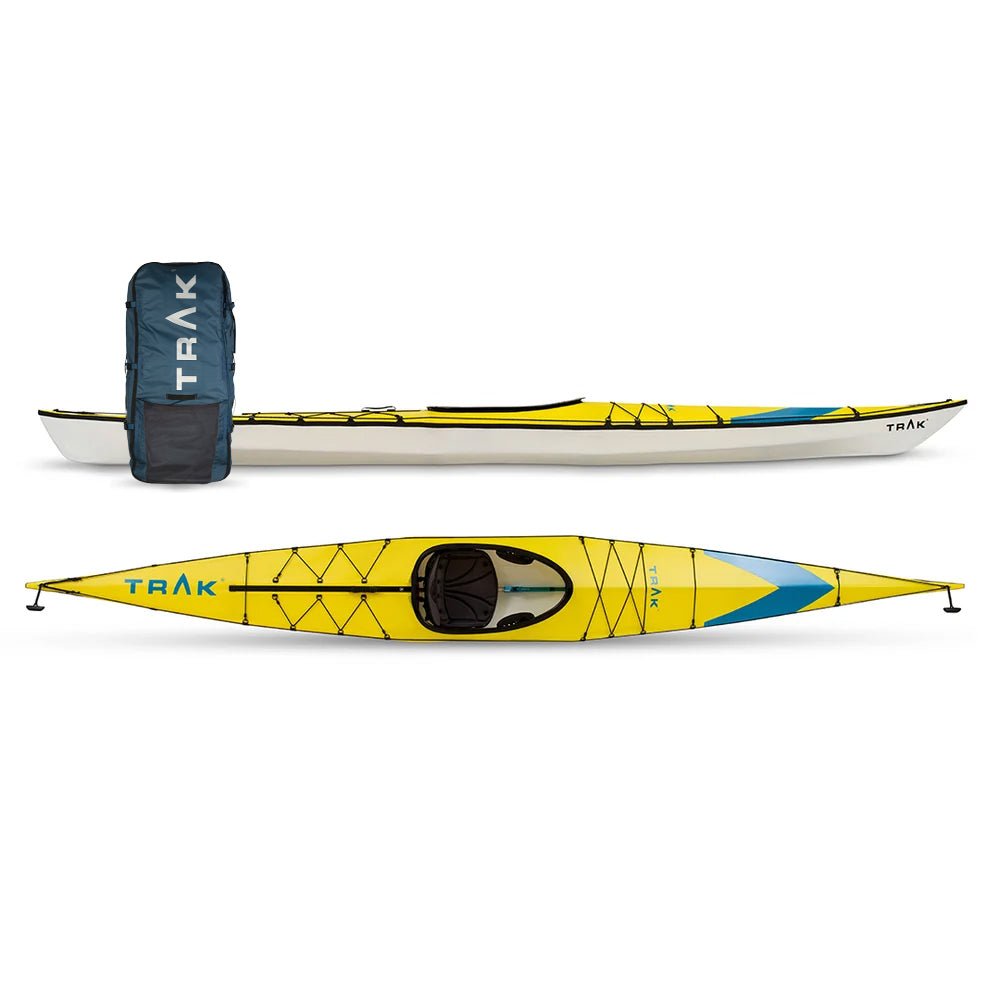
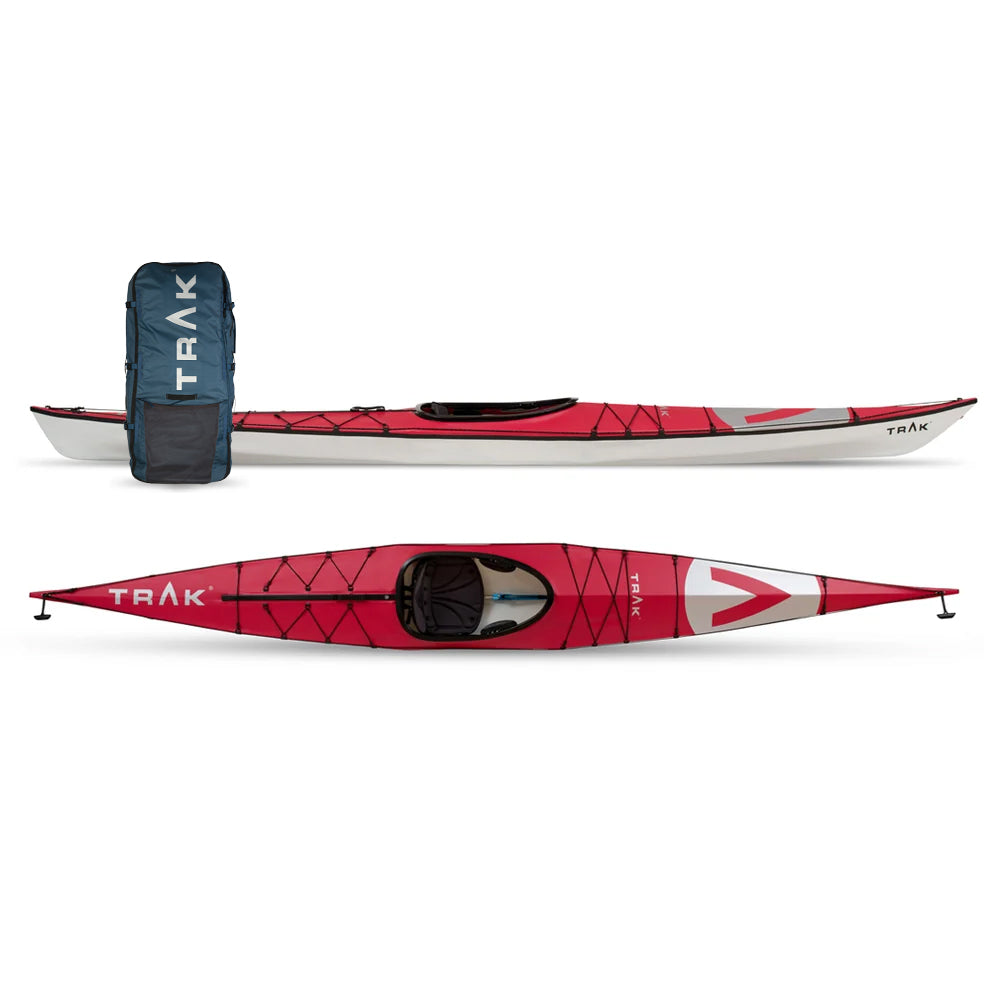
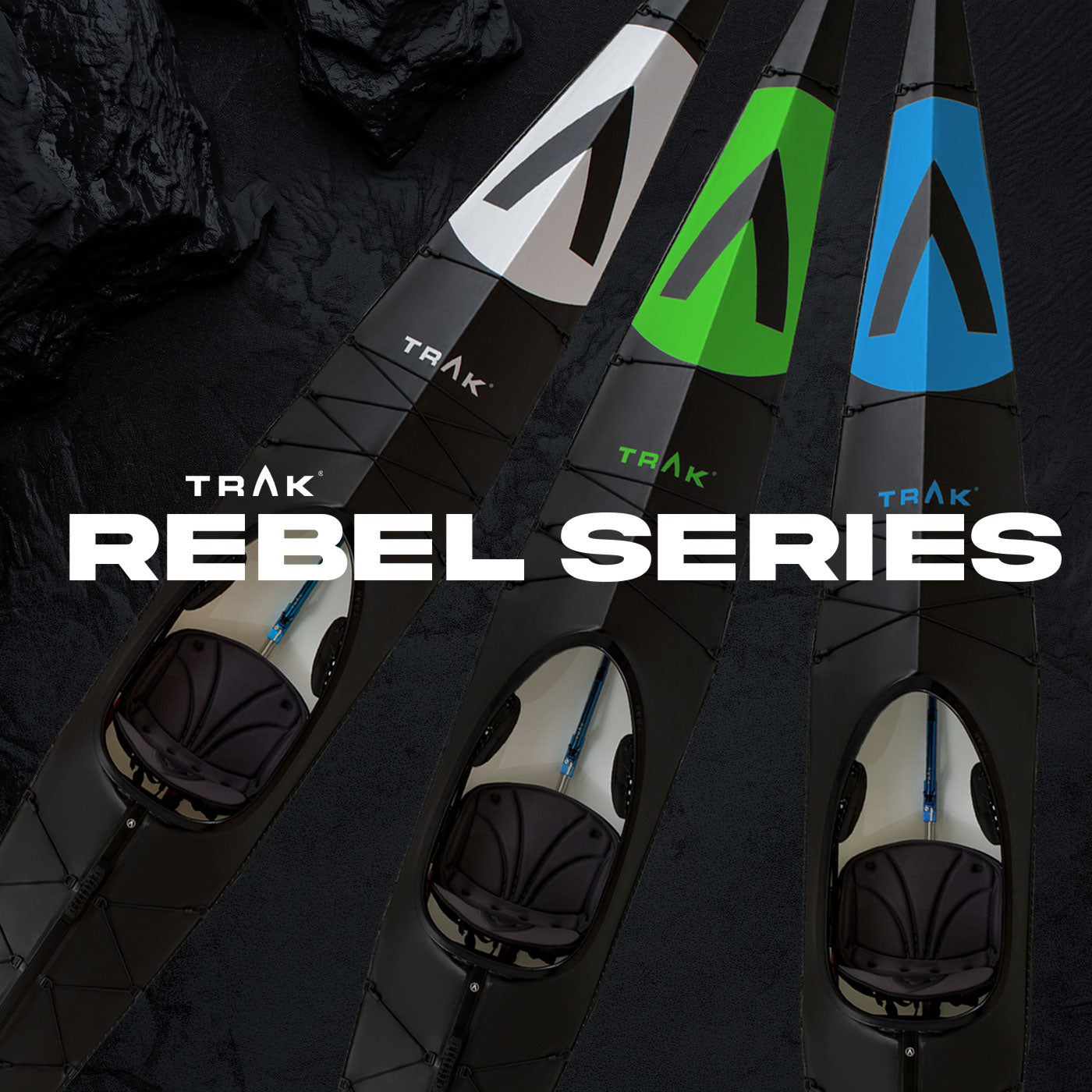
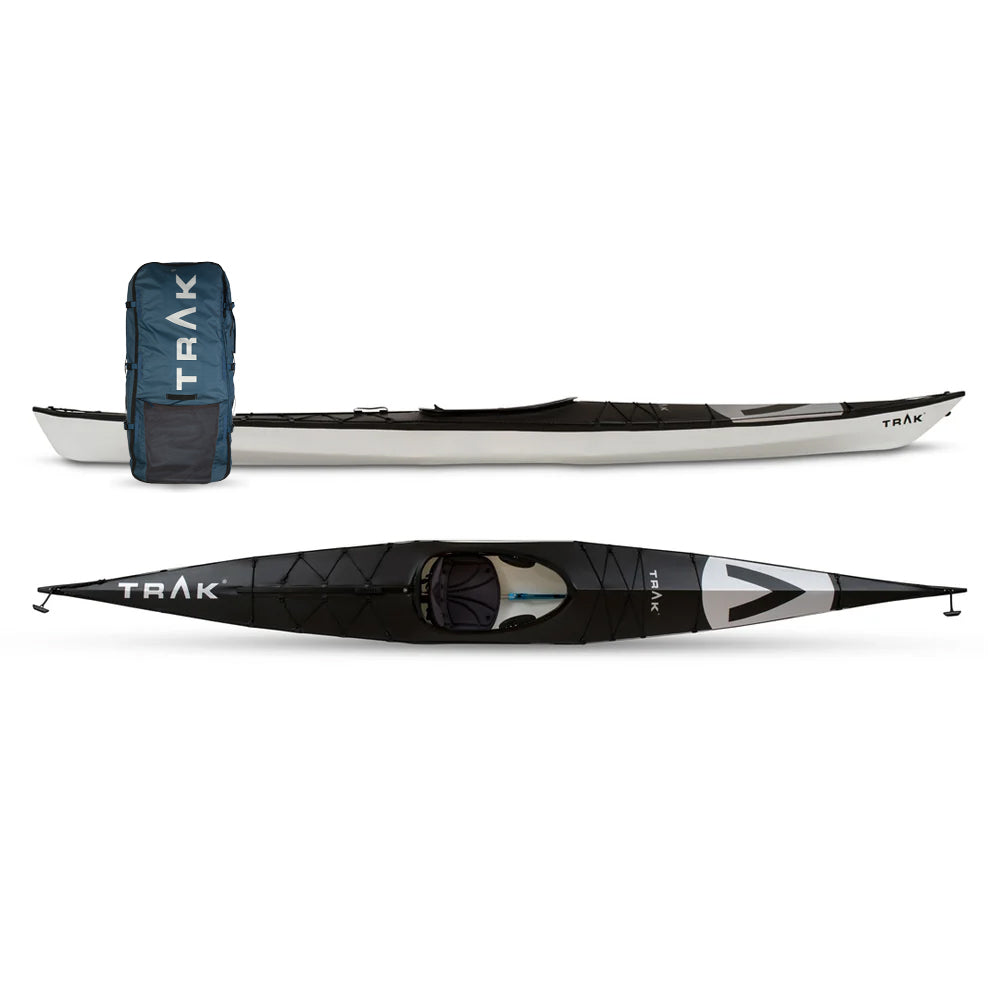
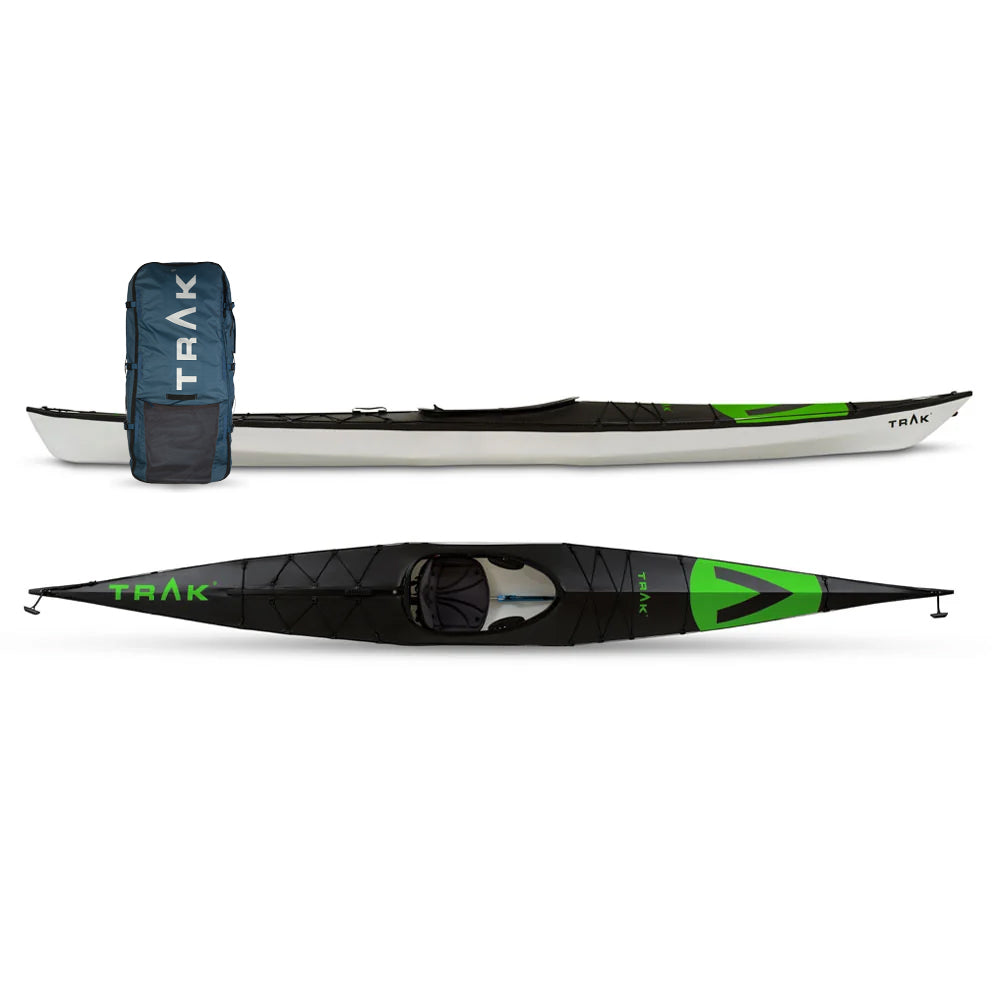
TRAK 2.0 Rebel Series – Faltbare Seekajaks
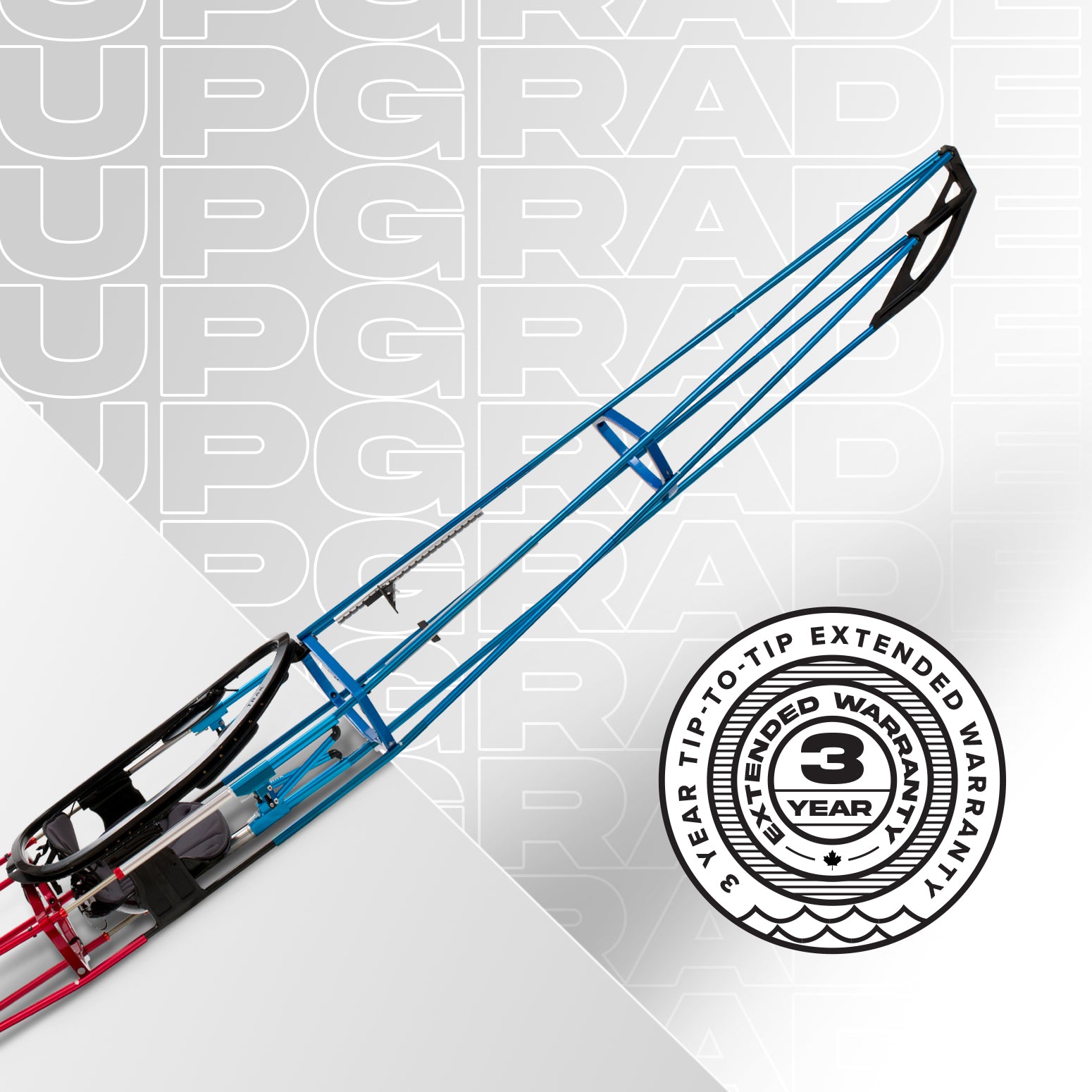
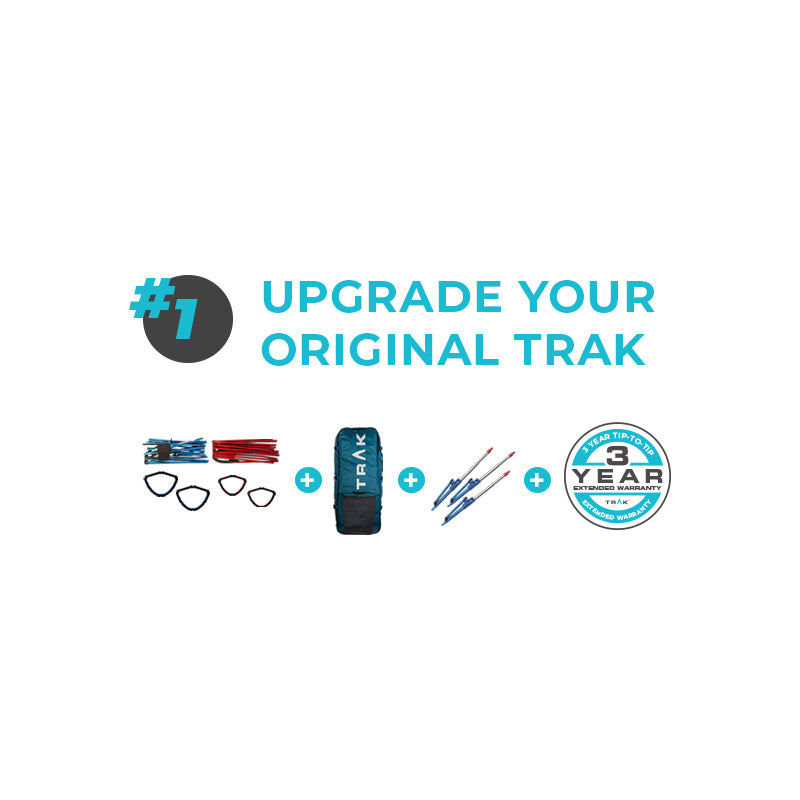
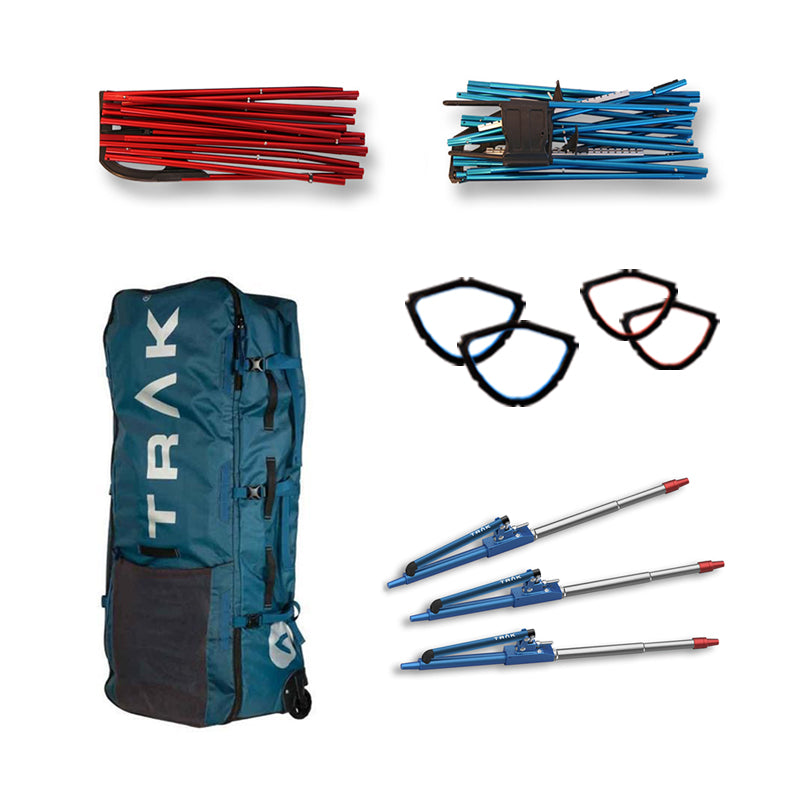
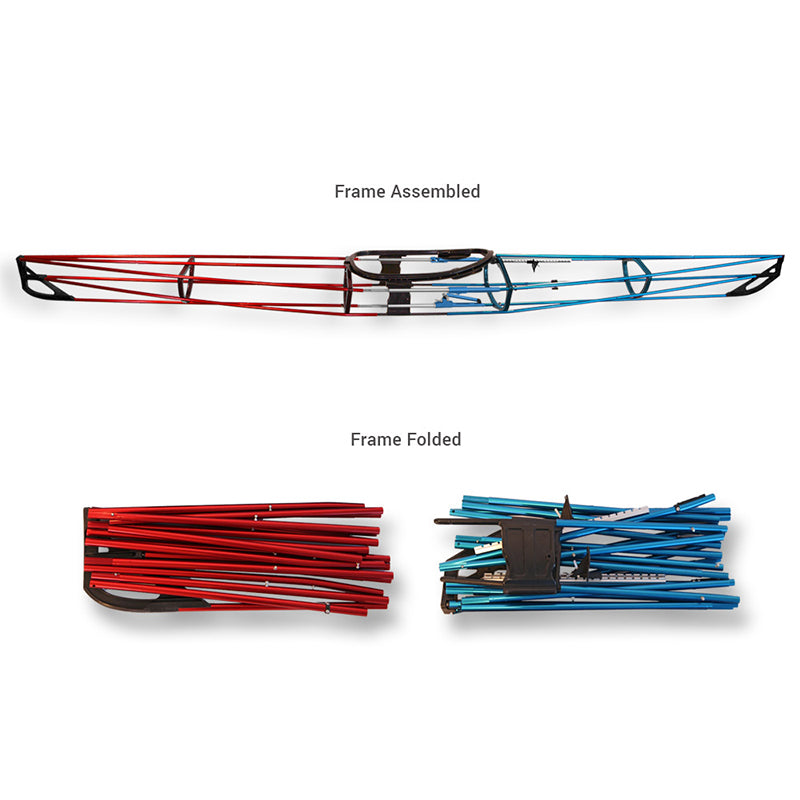
TRAK 2.0 Upgrade-Kit (mit erweiterter Garantie)
