


Trip Report by Gwenn Bezard
Region: Southeastern Nicaragua
In early April 2026, Gwenn Bezard and Bryant Cannon embarked on a seven-day paddle expedition across southern Nicaragua; an ambitious 167-mile journey stretching from Colón to San Juan del Norte. Their route combined two distinct environments: two days crossing the vast expanse of Lake Cocibolca, including a stop in the Solentiname Islands, followed by five days descending the Río San Juan to the Caribbean.

Above: The route, west to east, combining Lago Colcibolca and the entire length of the Rio San Juan to the Caribbean, following the border between Nicaragua and Costa Rica.
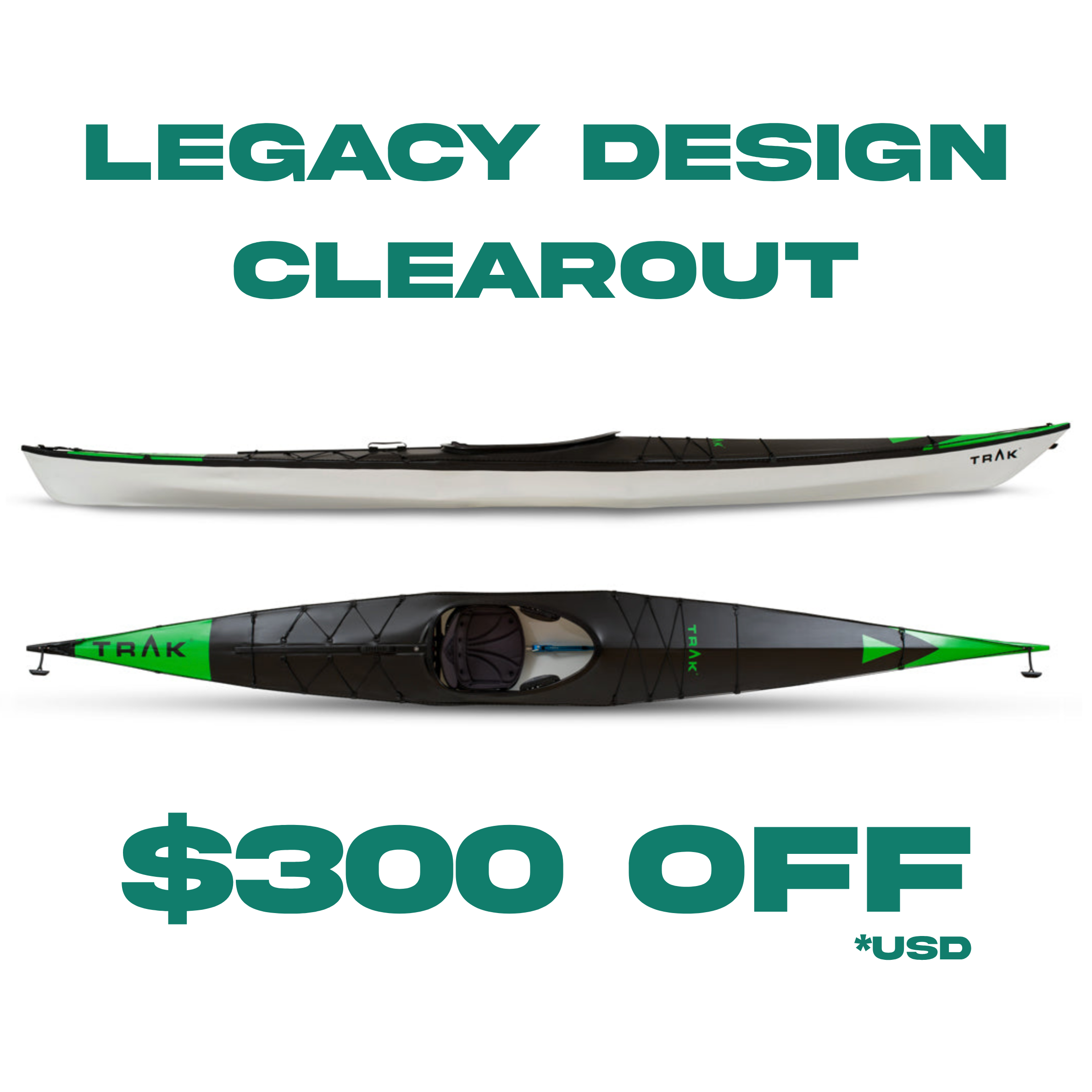
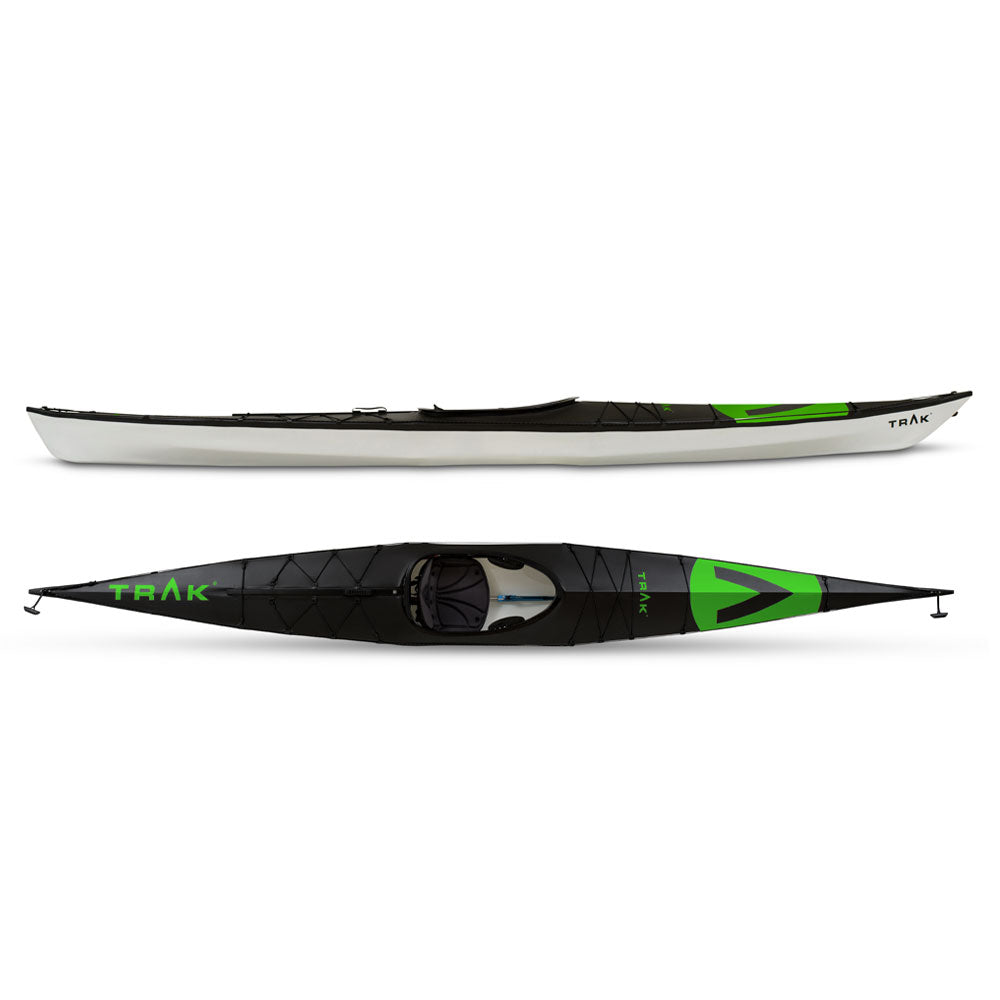
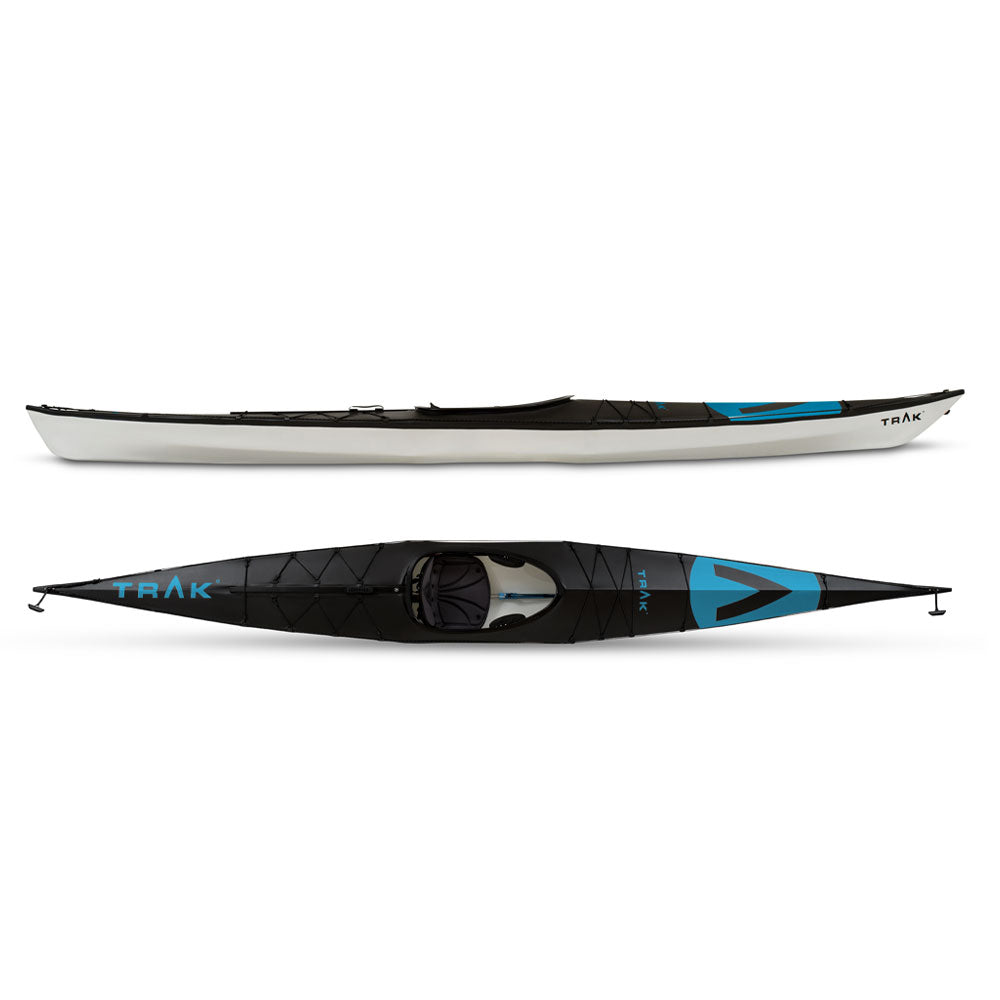
Bryant Cannon, having spent the prior week in Nicaragua with his family, arrived eager—almost restless—for a true adventure. He brought not only energy and optimism, but also the expedition’s defining equipment: a pair of TRAK 2.0 folding sea kayaks. Gwenn Bezard, stepping into the evolving plan, refined logistics while Bryant balanced family and work commitments. The two converged in San Juan del Sur, where the journey would quietly begin.
Before dawn the next morning, a 4:30 a.m. pickup carried them inland to Colón, a modest village on the shores of Lake Cocibolca—also known as Lake Nicaragua. The lake crossing loomed as the expedition’s most uncertain and potentially volatile segment. Known for its “ferocious winds and steep, short waves,” the lake has a reputation that precedes it. Their west-to-east crossing, directly against prevailing easterlies, had even drawn skepticism from an experienced local paddler who questioned their judgment.
 Above: Lake Nicaragua is a true 'great lake' and behaves like an inland sea with tight wave periods and long fetch that can quickly turn a quiet morning crossings into a stressful and dangerous misadventure.
Bryant, undeterred, was enthusiastic about committing to an open-water crossing toward the Solentiname Islands. Gwenn, managing a recovering shoulder, approached the idea more cautiously. A contingency plan (hugging the southern shoreline) remained in place should conditions deteriorate. But fortune intervened. A rare weather window delivered winds under 10 knots on both lake days, transforming a potentially punishing crossing into a manageable, even enjoyable passage.
 Above: The Solentiname archipelago is a unique and stunning biological reserve known for its exotic bird populations, indigenous history, and hidden petroglyphs.
After a night in the Solentiname Islands, the pair completed their lake transit to La Esquina de Lago near San Carlos—the gateway to the Río San Juan. There, they connected with their pre-arranged guides, Cristian and Walter, organized through a lakeside fishing lodge.
The decision to hire guides for the river section proved prudent. With limited Spanish, the presence of military checkpoints along the Costa Rican border, and minimal jungle expedition experience—particularly for Gwenn—the local expertise added both safety and efficiency.
 Above: Guides Walter and Christian made river travel look as benign as walking down the sidewalk. For those who live and work on the Rio San Juan, water is the only way to travel. But the risks are still real.
Their value became immediately apparent.
On one occasion, Bryant moved quickly toward what appeared to be a dead crocodile—only to be stopped just in time before discovering it was very much alive and mid-meal.
 Though the duo noted that “a more prepared solo paddler or crew could do this trip on their own,” the guides enriched the experience, smoothing logistics and mitigating risk in a remote and culturally complex environment.
 Above: Sometimes military checkpoint were located seemingly in the middle of nowhere. Other times, they were based in small riverside towns, like this one. These places are largely void of motorized vehicles except for boats, reflecting a different kind of relationship with space and time.
Despite traversing dense jungle regions, the riverbanks revealed a more human presence than expected—small farms and occasional gold mining camps lined sections of the route. Wildlife sightings were fewer than anticipated, and remarkably, the pair encountered “not a single tourist” during the entire seven-day journey.

Above: the town of El Castillo (the castle), named for the Spanish-built defensive structure that still sits atop the hill.
Conditions throughout the trip were favorable. Contrary to warnings of oppressive heat, temperatures remained comfortable, with only a single notably hot day. Cooling off was as simple as splashing water onto a hat. Traveling during the dry season meant lower river levels, but no meaningful hazards—no rocks, strainers, or obstructions. The Río San Juan itself proved to be a gentle Class I river, with a single Class II section “that’d present no major difficulty to an intermediate sea kayaker.” The current, while steady, was often slow-moving.
 Above: the rapids adjacent to El Castillo that the locals called El Diablo - a serious navigational hazard for motorboats, but not so much for kayaks.
At journey’s end, the return to civilization required an 8.5-hour ride aboard a “fast boat” from San Juan del Norte, followed by a five-hour drive back to Granada or Managua.
 Reflections on Gear
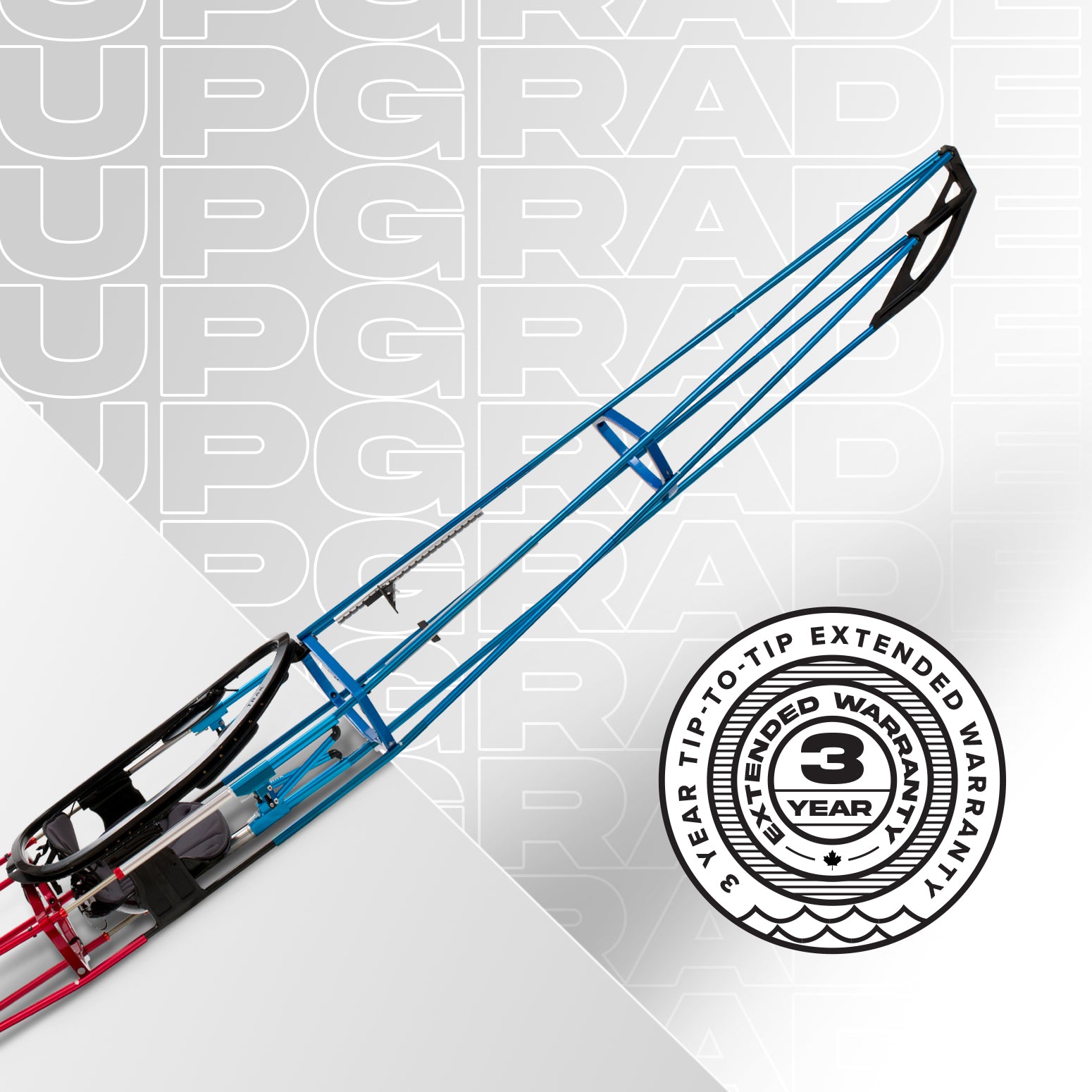
For Gwenn, the expedition marked a first true multi-day test of the TRAK 2.0 kayak. Prior practice sessions had familiarized him with the system, but this trip revealed its full capabilities. He noted, “The kayak is very pleasant to paddle, it’s fast, and with the jacks, you can adjust the rocker and shape to counter-balance weather cocking.” This adjustability proved especially valuable in variable conditions, allowing real-time performance tuning.

Above: Bryant considers adjusting his TRAK's rocker for the section of rapids ahead.
Travel logistics with the kayaks were equally seamless. Despite the main bag exceeding 50 pounds, splitting gear into a second checked bag allowed both paddlers to fly with standard airline allowances via United and Avianca, without issue.
 Above: setting up the TRAK kayaks on the shores of Lago Colcibolca
Reflecting on the experience, Gwenn remarked, “Without the TRAK or other foldable kayak, I don’t see how we could have done the lake section.” The portability and versatility of the folding kayaks fundamentally enabled the expedition’s structure—particularly the remote lake access.
"One thing I really liked about the TRAK is how easy it was to load and unload... [it was] easier and faster than loading my regular sea kayaks or whitewater kayaks for multi-day trips.” - Gwenn Bezard

Above: the shores of the lake are often densely forested, requiring close investigation to find suitable landing spots.
The system also excelled in day-to-day usability. “One thing I really liked about the TRAK is how easy it was to load and unload,” Gwenn explained. Their packing strategy was elegantly simple: one large dry bag in the bow, one in the stern, each filled with smaller bags. Upon landing, the larger bags could be quickly removed and carried to lodging, then slid back into the kayak the next morning. He described the system as “perfect with a minimalist packing set-up,” adding that it was “easier and faster than loading my regular sea kayaks or whitewater kayaks for multi-day trips.”
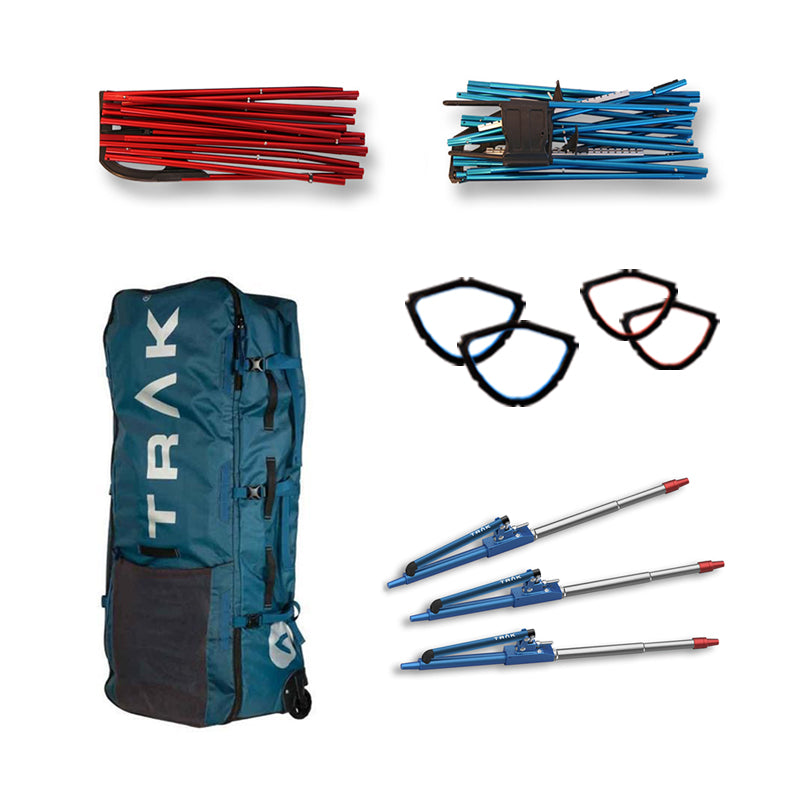
 The kayak’s carry bag itself could be stowed inside the assembled boat: “Take the hard plastic out, slide it at the bottom of the stern. Stow the remaining material in the tip of the stern.” This efficient use of space further emphasized the system’s thoughtful design.
Perhaps most importantly, the TRAK’s packability offered a crucial margin of safety. “In an emergency, we could have hired a panga, packed the TRAK, and got out,” Gwenn noted. With a lingering shoulder concern, this flexibility provided reassurance. “I cherished the idea I could get a ride out easily with the boat being a non-issue.”
 Above: 'Panga's are very common on the San Juan. These long, sleek motorized riverboats represent the backbone of regional transportation for both people and cargo.
Looking beyond Nicaragua, Gwenn saw clear applications closer to home. “I could see using the TRAK on day or multi-day California coastal trips too, where you could get dropped off at a put-in, and then land somewhere else and catch an Uber back to your car.”
In the end...
This expedition was not defined by extremes, but by balance—between planning and spontaneity, challenge and ease, wilderness and human presence. And at its core, it demonstrated how the right equipment, paired with thoughtful execution, can quietly unlock journeys that might otherwise remain out of reach.
 Above: Bryant and Gwenn at the last checkpoint on the river. Both based in California, USA. Bryant is also TRAK Pilot Ambassador. To learn more about his experience with TRAK, check out his Pilot profile.

Partager: